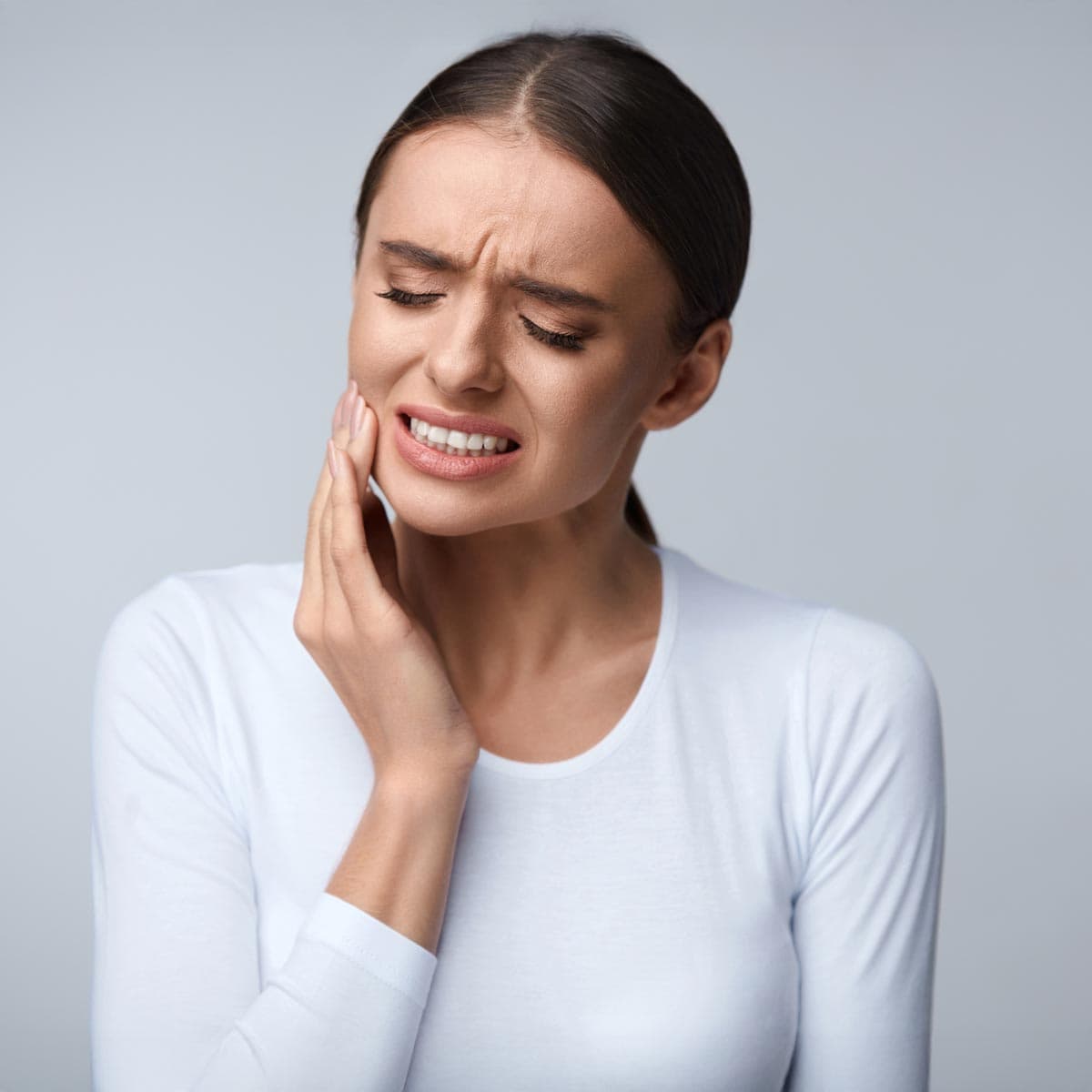
Emergency Dentistry
Fairview, TX
At Lucas Elite Dental Studio, we understand that dental emergencies can affect you or a family member when you least expect them, often leaving you with pain and stress. Dr. Hajiyani and her dedicated team are fully equipped and prepared to provide emergency dental care to relieve your discomfort and get your smile back on track as quickly as possible.
If you or a loved one needs emergency dental services, call us at (972) 905-0786 right away for a same-day appointment. Whether you're dealing with a sudden toothache, a knocked-out tooth, or a painful infection, we will always recommend the most conservative restorative dentistry solutions to get you back in a healthy, pain-free smile.
What Constitutes a Dental Emergency?
A dental emergency is any urgent situation that requires immediate care to relieve severe and persistent pain, save a tooth, treat an infection, address a traumatic dental injury, or repair a damaged dental restoration. If you are not sure whether you are experiencing a dental emergency, consider the following questions:
- Are you or a loved one suffering from intense, persistent tooth pain?
- Is there visible swelling in your face, jaw, or gums?
- Do you have a painful pimple-like bump on your gums?
- Do you have a cracked, broken, or chipped tooth?
- Do you have a knocked-out, loose, or dislodged tooth?
- Is there uncontrollable bleeding from your gums, lips, or tongue?
- Are you experiencing lingering sensitivity in response to hot or cold?
- Have you lost a dental crown, a filling, or another type of restoration?
If you have answered yes to any of the above, you likely require emergency care. Even if you are not quite sure whether your situation is a dental emergency, it is important to contact your trusted team at Lucas Elite Dental Studio without delay. We will offer guidance to stabilize your situation until our emergency dentist can provide the urgent dental care you need.
What to Do in a Dental Emergency
Experiencing a dental emergency? Call Lucas Elite Dental Studio at (972) 905-0786 without delay. We are pleased to offer same-day care for patients in Fairview, TX, and the surrounding communities for prompt relief. We are here to address your emergency and get your smile back on track as soon as possible.
Meanwhile, here are some first aid tips to support recovery:
- Remain calm to assess your symptoms clearly and communicate them effectively to our team.
- Rinse your mouth with saltwater to clean the area and reduce the risk of infection.
- Preserve any tooth fragments or a knocked-out tooth in a small container of milk or saliva to bring them with you to your emergency appointment.
- Take over-the-counter pain relievers as directed to relieve your discomfort.
- Never place aspirin or any painkiller directly against your gums or the aching tooth to avoid chemical burns to your soft tissue.
- Apply a cold compress or an ice pack wrapped in a towel to the outside of your cheek in 15-minute intervals to control swelling.
- If a tooth has sharp edges, cover them with dental wax or sugar-free gum to protect your soft tissues until our dental care team sees you.
- Use a piece of sterile gauze or a clean cloth to apply gentle, steady pressure to the affected area to help any bleeding stop.
Remember, if you experience a life-threatening emergency, please dial 911 for immediate assistance or head to the nearest hospital emergency room.
What Are Common Dental Emergencies?
The types of dental emergencies we handle near Fairview include the following:
Severe Tooth Pain: Sudden, severe, or persistent tooth pain can be a sign of an infection, abscess, hairline fracture, or an underlying condition requiring immediate care. Use over-the-counter pain relief medication to manage your discomfort, and apply cold compresses to reduce swelling. Dr. Hajiyani will evaluate your unique needs and recommend the most conservative solutions to save the affected tooth and provide you with lasting relief.
Knocked-Out Tooth: A knocked-out or avulsed permanent tooth is a time-sensitive emergency requiring prompt care to increase the chances of saving the tooth. After calling our practice near Fairview, pick up the affected tooth by its crown, rinse it with clean water without touching the root, and return it to its socket. If that is not possible, place the tooth in milk or saliva and bring it with you to your emergency appointment. It's important to note that we never attempt to reimplant a knocked-out baby tooth to avoid damaging the incoming permanent tooth. However, make sure to seek urgent care to prevent complications.
A Chipped or Fractured Tooth: A chip or fracture can provide an entryway for harmful bacteria to the inside of a tooth, potentially leading to infections that can impact your oral and overall health. Seeking prompt care will help restore your healthy smile and lower the risk of complications.
A Loose or Dislodged Tooth: Place gentle pressure using a small piece of clean gauze or cloth to keep the affected tooth in place without forcing it. Our emergency dentist will do everything possible to save the affected tooth and restore its form and function.
An Abscessed Tooth: A tooth abscess is a painful infection at the root or in between the gums and teeth. Left untreated, the harmful bacteria can spread to the neighboring teeth and even enter the bloodstream, putting your health at risk. Signs of an abscess may include a pimple-like bump on your gums, a foul taste in the mouth, or sensitivity to hot or cold temperatures. Make sure to seek immediate care.
A Lost or Damaged Crown or Filling: A lost dental restoration can expose the inner structures of a tooth, leaving it vulnerable to further decay, damage, or infection, so it is important to seek prompt care. Meanwhile, use over-the-counter dental cement or sugar-free gum to protect your exposed tooth structure. Never use super glue to hold your dislodged crown or filling in place.
Soft Tissue Injury: An injury to the soft tissues, including the lips, gums, cheeks, or tongue, can lead to significant bleeding. Rinse with warm saltwater and apply gentle pressure with clean gauze to control any bleeding. In the event of heavy, uncontrollable bleeding, head to the nearest hospital emergency room.
Why Choose Lucas Elite Dental Studio for Emergency Care?
When you are facing a dental crisis, the quality of care and the environment in which you receive it can make all the difference. The following are the reasons why patients in the Fairview area choose Lucas Elite Dental Studio for their emergency dental care needs:
- Award-Winning Expertise: Dr. Hajiyani was recognized as “Best in Texas” in 2023. As an experienced provider currently pursuing a triple fellowship, she brings an elite level of skill to every urgent procedure.
- A Luxury, Spa-Like Experience: We believe that dental care should be restorative for both your health and your peace of mind. Our practice is designed to feel like a high-end spa, helping alleviate the stress and anxiety that often accompany a dental emergency.
- Advanced Technology: We use the latest innovations in modern dentistry, including laser technology and state-of-the-art diagnostic equipment. These tools allow us to provide faster, more efficient care, while minimizing discomfort.
- Personalized, Patient-Focused Care: You are never just a number at Lucas Elite Dental Studio. Our emergency dentist and team always take the time to listen to your concerns and recommend the most conservative solutions to get your smile back on track.
- Conveniently Located: We are just a short drive from Fairview, typically taking 5 to 7 minutes to reach us. This proximity ensures that you receive the prompt, professional attention your emergency requires without delay.
Emergency Dental Care for Fairview, TX, Patients
At Lucas Elite Dental Studio, we hope you and your loved ones never experience dental emergencies, but we are here for you in the event you do. Our emergency dentist and patient-centered team offer same-day care for families in Fairview and the surrounding communities to provide prompt relief when you need it most. If you or a loved one experiences a dental emergency, contact us right away at (972) 905-0786 for immediate care.